What Are the Common Indicators of Mold Growth?
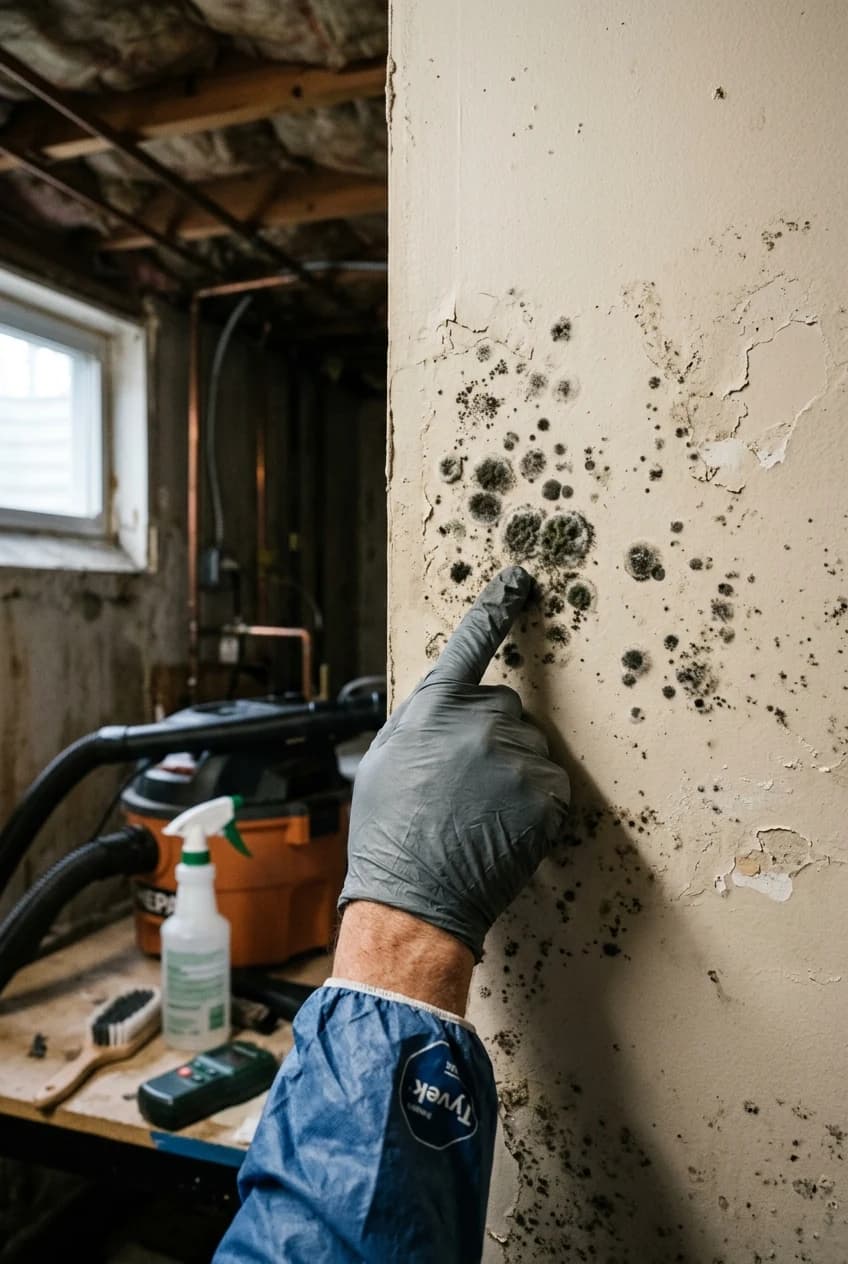
Mold can manifest in various ways, and recognizing these signs early can prevent larger problems. Look for discoloration on walls, ceilings, and floors, which could be a sign of moisture issues leading to mold. Such discolorations might appear as black, green, or even white patches. Pay close attention to areas around windows, under sinks, and near any plumbing fixtures. A musty odor is another common indicator of mold presence. This smell is often described as earthy or damp, similar to the scent of wet socks or rotten wood. If you notice any of these signs, consider contacting a professional for a thorough mold inspection. Regularly check areas that are prone to moisture, such as basements, attics, and bathrooms. Mold can also hide behind wallpaper, under carpets, and inside HVAC systems, so be vigilant in these areas as well.
How Can You Use Your Senses to Detect Mold?
Your senses are powerful tools in detecting mold. Visual inspection is key; look for unusual spots or stains on surfaces. These may appear as fuzzy or slimy patches and vary in color. Additionally, a persistent musty smell can signal mold growth, even if it's not visible. This smell is often more pronounced in damp areas like basements or bathrooms. If you detect a musty odor, try to trace it to its source. Feel surfaces for dampness, as mold often thrives in areas with excess moisture. Listening can also help; if you hear water dripping or running continuously, it may indicate a leak that could lead to mold growth. If unsure, it's wise to seek professional help in Cresskill to confirm mold presence. Mold can cause allergic reactions, so be cautious if you experience unexplained respiratory issues, skin rashes, or headaches, as these can be signs of mold exposure.
Why Is It Important to Act Fast?
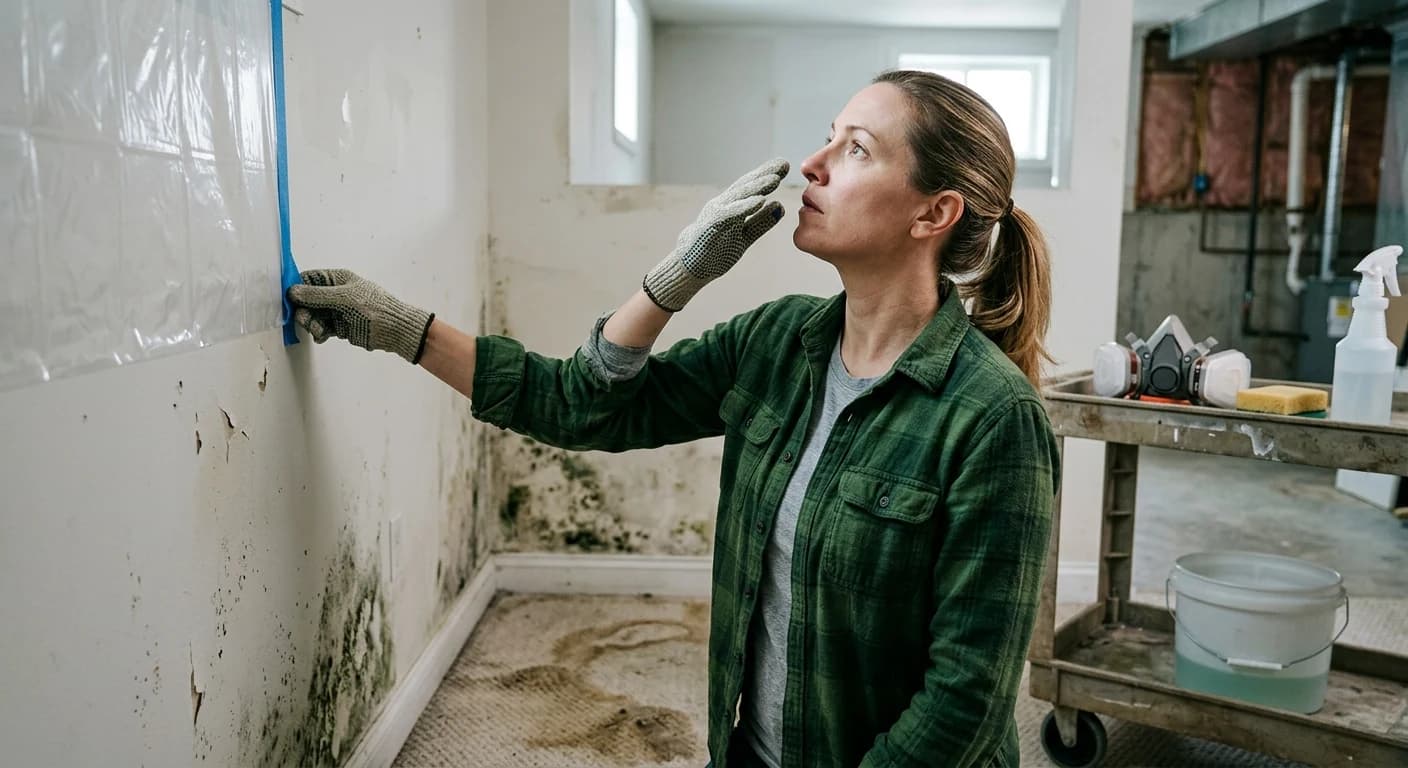
Acting quickly when you suspect mold is crucial because mold can spread rapidly under the right conditions. Within 24 to 48 hours, mold spores can begin to colonize on a damp surface. The longer it's left unchecked, the more it can damage your property and affect your health. Mold can weaken the structural integrity of your home by breaking down building materials like wood and drywall. Additionally, exposure to mold can lead to health problems such as asthma, allergic reactions, and other respiratory issues. Fast action can save you from costly repairs and health treatments. Contacting a mold remediation specialist as soon as possible is highly recommended to mitigate any potential risks. Professionals have the tools and expertise to safely remove mold and prevent future growth. They can also identify and fix underlying moisture problems, ensuring your home remains mold-free.
How to Prevent Mold Growth in Vulnerable Areas
Preventing mold in areas prone to moisture is essential for maintaining a healthy home environment. Start by ensuring proper ventilation in bathrooms, kitchens, and laundry rooms, where humidity levels are typically higher. Install exhaust fans and use them regularly to reduce moisture accumulation. In basements, consider using a dehumidifier to keep humidity levels below 60%, which is less conducive to mold growth. Regularly check and repair leaks in plumbing, roofs, and windows to prevent water intrusion. In addition, inspect gutters and downspouts to ensure they are directing water away from your home's foundation. Seal any cracks in walls or foundations to prevent water seepage. Consider using mold-resistant products, such as drywall or paint, in areas that are especially susceptible to mold. Regular cleaning and maintenance, such as wiping down surfaces and removing clutter that can trap moisture, also play a critical role in mold prevention. By taking these proactive steps, you can significantly reduce the risk of mold growth and protect your home and health.
When to Call in Professional Mold Inspectors
While some mold issues can be handled with DIY methods, there are situations where professional intervention is necessary. If mold covers an area larger than 10 square feet, it's advisable to call a professional mold inspector. Professionals have the expertise to assess the extent of mold growth and identify hidden mold that may not be immediately visible. They use specialized equipment, such as moisture meters and infrared cameras, to detect moisture sources and mold presence. If you notice persistent health symptoms among family members, such as respiratory issues or allergic reactions, a professional inspection can help determine if mold is the culprit. Additionally, if you have recently experienced flooding or significant water damage, a thorough inspection is crucial to prevent mold from taking hold. In Cresskill, there are experienced mold remediation companies that can provide comprehensive assessments and remediation services. By engaging professionals, you can ensure that mold is effectively removed and that preventive measures are in place to avoid future occurrences.
DIY Mold Testing: What You Need to Know
If you're keen on taking a proactive approach to detect mold, DIY testing kits can be a useful tool. These kits are widely available and can help you identify the presence of mold in your home. Start by selecting a reputable mold testing kit, which typically includes collection swabs or petri dishes and detailed instructions. To begin, choose the areas you suspect might have mold, such as basements, bathrooms, or near leaky pipes. Follow the kit instructions carefully, using swabs to collect samples from visible mold or surfaces where mold might be growing. If using petri dishes, place them in areas where you suspect airborne mold spores. After collecting samples, most kits require you to send them to a lab for analysis, where experts will determine the type and concentration of mold present. While DIY testing can provide initial insights, it's important to remember that these kits have limitations. They might not detect hidden mold or identify all mold species. For comprehensive results, especially if you suspect extensive mold growth, professional testing is recommended. DIY kits can serve as a preliminary step, but they should not replace professional assessments when significant mold issues are suspected.
Understanding the Health Risks of Mold Exposure
Mold exposure can have significant health implications, making it essential to understand the potential risks. Mold releases spores that can be inhaled, leading to respiratory issues, particularly in individuals with asthma or allergies. Common symptoms of mold exposure include coughing, sneezing, and nasal congestion. In more severe cases, individuals may experience wheezing, shortness of breath, or even asthma attacks. Mold can also irritate the skin and eyes, causing rashes or redness. Prolonged exposure to mold, especially in large quantities, can contribute to more serious health conditions, such as chronic respiratory diseases. Children, the elderly, and those with compromised immune systems are particularly susceptible to mold-related health problems. If you or your family members experience unexplained health symptoms, it may be worthwhile to investigate the presence of mold in your home. Taking proactive steps to reduce mold exposure, such as improving ventilation and controlling humidity levels, can help mitigate these risks. In cases where health symptoms persist, consulting with healthcare professionals and mold remediation experts can provide further guidance. Addressing mold issues promptly is crucial to maintaining a healthy living environment and preventing long-term health effects.
How to Conduct a Thorough Home Inspection for Mold
Conducting a thorough home inspection for mold involves a systematic approach to identify potential problem areas. Start by examining the exterior of your home. Look for signs of water damage, such as peeling paint or warped siding, which can indicate moisture intrusion. Check the roof for missing or damaged shingles and ensure that gutters are clean and functioning properly to direct water away from the foundation. Inside the home, focus on areas where moisture is likely to accumulate. This includes checking under sinks, around tubs and showers, and near any appliances that use water, like washing machines or dishwashers. Use a flashlight to inspect dark, hidden areas like under carpets or behind furniture for any signs of mold growth. Pay special attention to basements and attics, as these areas are prone to humidity and poor ventilation. A moisture meter can be a useful tool to detect elevated moisture levels in walls and floors, which can be a precursor to mold growth. Additionally, keep an eye out for any condensation on windows or pipes, as this can create an environment conducive to mold. By systematically checking these areas, you can catch mold problems early and take appropriate action.
Effective Steps for Mold Remediation and Prevention
Once mold is detected, effective remediation and prevention are crucial to maintaining a healthy home environment. Begin by addressing the source of moisture, as mold cannot thrive without it. Repair any leaks in plumbing, roofs, or windows immediately. Use dehumidifiers in damp areas to maintain a humidity level below 60%. For small mold patches, clean the area with a solution of water and detergent, and dry it thoroughly. Avoid using bleach, as it is not effective on porous materials. For larger infestations, particularly those exceeding 10 square feet, it is advisable to hire professional mold remediation services to ensure complete removal. Professionals in New Jersey, including Cresskill, are equipped to handle extensive mold problems safely. After remediation, implement preventive measures to avoid future mold growth. Ensure proper ventilation in high-humidity areas like bathrooms and kitchens by using exhaust fans. Seal any cracks in walls or foundations to prevent water seepage. Regularly inspect and clean HVAC systems, as they can circulate mold spores throughout the home if contaminated. By taking these steps, you can effectively manage mold issues and safeguard your home from future problems.